Cell matrix adhesion in cell migration
Cell matrix adhesion in cell migration
Essays in Biochemistry · 2019 · doi:10.1042/EBC20190012Open access
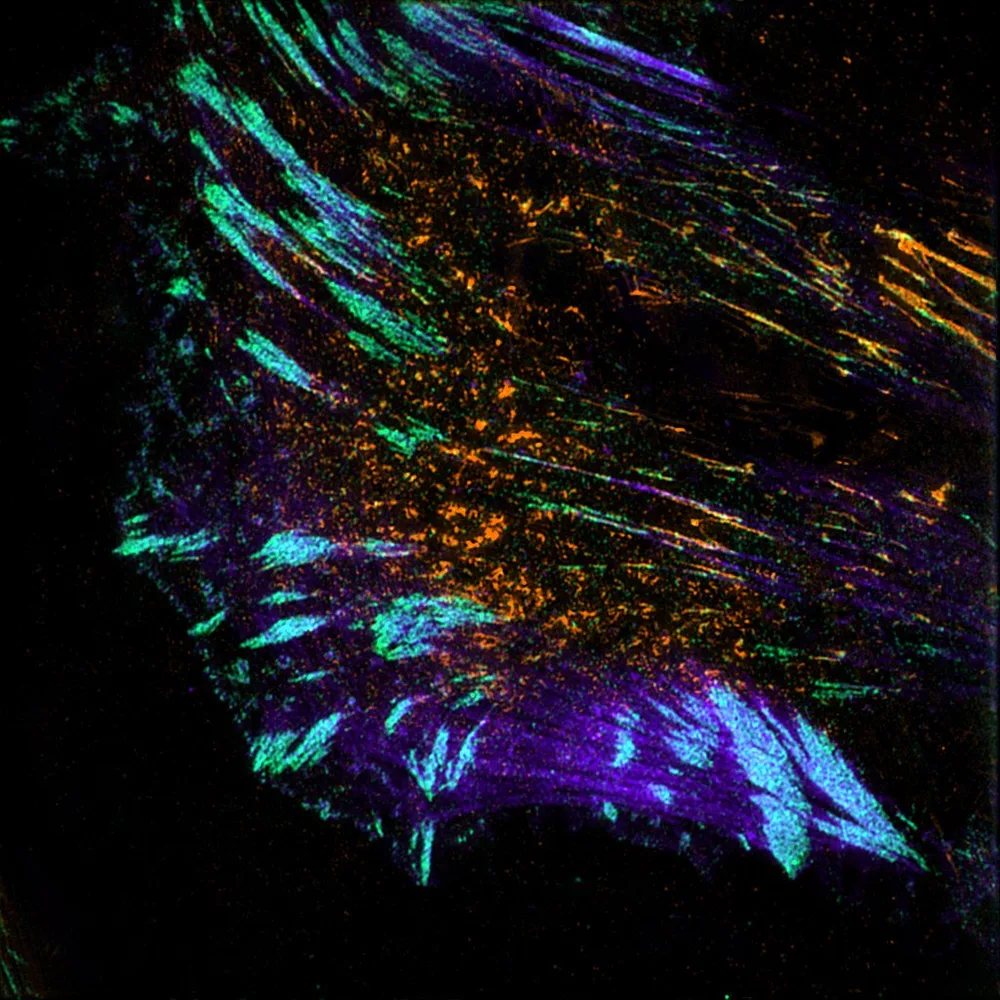
The ability of cells to migrate is a fundamental physiological process involved in embryonic development, tissue homeostasis, immune surveillance and wound healing. In order for cells to migrate, they must interact with their environment using adhesion receptors, such as integrins, and form specialized adhesion complexes that mediate responses to different extracellular cues. In this review, we discuss the role of integrin adhesion complexes (IACs) in cell migration, highlighting the layers of regulation that are involved, including intracellular signalling cascades, mechanosensing and reciprocal feedback to the extracellular environment. We also discuss the role of IACs in extracellular matrix remodeling and how they impact upon cell migration.